Fences serve multiple purposes in residential areas, including delineating property lines, providing privacy, enhancing security, and boosting curb appeal. However, when it comes to erecting a fence, homeowners must navigate various regulations and guidelines that can impact their fencing choices. In Charlotte, North Carolina, understanding the fence height limits and privacy concerns is crucial for homeowners looking to balance their needs with compliance.
Understanding Fence Height Limits in Charlotte
In Charlotte, the zoning regulations play a significant role in determining how high a fence can be built. Generally speaking, the city has established specific height limits based on the type of zoning district where a property is located. For instance, residential zoning typically allows fences to reach heights of up to six feet in backyards and four feet in front yards. These regulations are designed not only to maintain aesthetic harmony within neighborhoods but also to prevent potential safety https://www.google.com/search?kgmid=/g/11v0z2rg4t hazards.
The fence height limit in Charlotte can vary depending on whether your property is located in a single-family residential area or a multi-family zone. Homeowners should consult the Mecklenburg zoning regulations for specifics related to their property type. Additionally, if a homeowner resides within a neighborhood governed by an HOA (Homeowners Association), they must adhere to any additional HOA fencing guidelines that may impose stricter height limits or design requirements.

Privacy Concerns
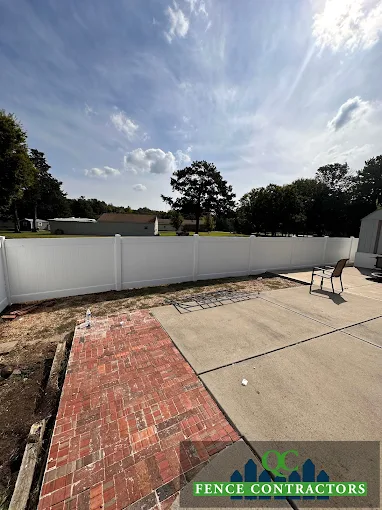
One of the primary reasons homeowners opt for fences is to enhance privacy within their outdoor spaces. A well-constructed fence can create an oasis away from prying eyes while allowing families to enjoy their backyards without feeling exposed. However, achieving this sense of seclusion often conflicts with local ordinances designed to maintain community aesthetics.
When considering privacy needs versus compliance with local codes like the city of Charlotte fencing codes, homeowners should think strategically about their fence design. While taller fences provide more privacy, they may require special permits or even variances if they exceed standard height limits. Additionally, it's essential to consider how the placement of your fence affects not just your own property but also neighboring homes as well.
The Role of Setback Rules
Another important aspect of fencing regulations is the fence setback rules that dictate how far a fence must be placed from property lines. In many cases, setbacks are required so that fences do not encroach on adjacent properties or impede visibility at intersections or driveways. Typically, these rules vary by neighborhood and zoning designation.
For homeowners interested in installing a new fence or replacing an existing one, hiring a fence permitting service can help ensure compliance with all applicable laws and regulations. This can save time and effort while minimizing the risk of costly mistakes when it comes to meeting both setback requirements and height limitations.
Navigating Property Lines
Understanding where your property lines are located is vital when it comes to legal fence installation—especially since installing a fence too close to or over the line could lead to disputes with neighbors or even legal issues down the road. In North Carolina, it’s advisable for homeowners to have their property surveyed before putting up any structure on their land.
By familiarizing yourself with your exact boundaries and obtaining any necessary permits through a residential zoning permit process, you can avoid common pitfalls related to unauthorized installations that might not align with local laws.
Balancing Aesthetics and Compliance
While privacy is essential for many homeowners considering fencing options, aesthetics should also be factored into the equation. A well-designed fence can enhance the overall appearance of your home while still complying with local codes regarding height limits and setbacks.
If you're concerned about how a tall solid wood fence might appear compared to shorter alternatives like picket fences or decorative wrought iron options—consider blending different styles together. For example, you might choose taller materials toward the rear of your yard where privacy is most needed while opting for lower decorative elements at the front near walkways.
Conclusion
Establishing boundaries through fencing presents unique challenges for homeowners who want both privacy and compliance with local regulations such as those outlined by Charlotte's zoning laws. By understanding key elements like fence height limits, setback rules, property lines in NC, as well as HOA guidelines—homeowners can navigate these waters effectively.
Whether you’re looking for enhanced security measures or simply seeking solitude away from neighbors’ watchful eyes—the right approach will yield an attractive solution that meets regulatory standards while fulfilling personal desires for privacy.
FAQs
What is the standard fence height limit in Charlotte?- In general residential zones within Charlotte, fences can be up to six feet high in backyards and four feet high in front yards.
- Yes, most instances require obtaining either a building permit or following HOA guidelines depending on your location; consulting local zoning codes will clarify this requirement further.
- It’s advisable to hire a surveyor who will accurately identify your property boundaries based on official records.
- Yes! Homeowners associations often have additional rules regarding aesthetics which may include stricter height restrictions than those set by local municipalities.
- Consideration should be given not only toward personal preference but also towards how changes affect neighboring properties; communicating openly about plans may prevent future disputes.
By keeping these considerations in mind when planning your fencing project in Charlotte—homeowners can confidently create beautiful private spaces compliant with necessary legal frameworks!